Step 7 has served factories for decades, but Siemens is moving forward with TIA Portal. This guide explains why migration matters, what challenges to expect, and how to ensure a smooth transition from Step 7 to TIA Portal.


Asset Templates let you bundle PLC logic, HMI screens, alarms, and I/O into reusable engineering objects. The result? Standardized design, faster project delivery, and easier maintenance. Invest time upfront in building templates — it will pay off across every future project.

As engineering shifts to the cloud, PLC project files — containing logic, safety settings, and network maps — are more exposed than ever. Secure platforms, encryption, role-based access, and constant monitoring are key to protecting both uptime and safety. Cybersecurity isn’t optional anymore; it’s a core part of industrial automation.
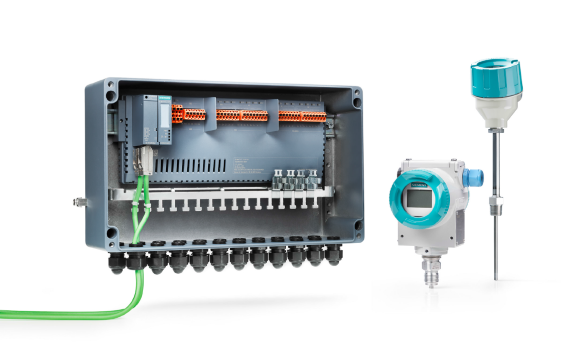
GSDML files act as the “drivers” for PROFINET devices, allowing Siemens PLCs to recognize and communicate with third-party hardware. By importing the correct GSDML file into TIA Portal, you can configure devices, map I/O, and ensure seamless integration across your automation network.
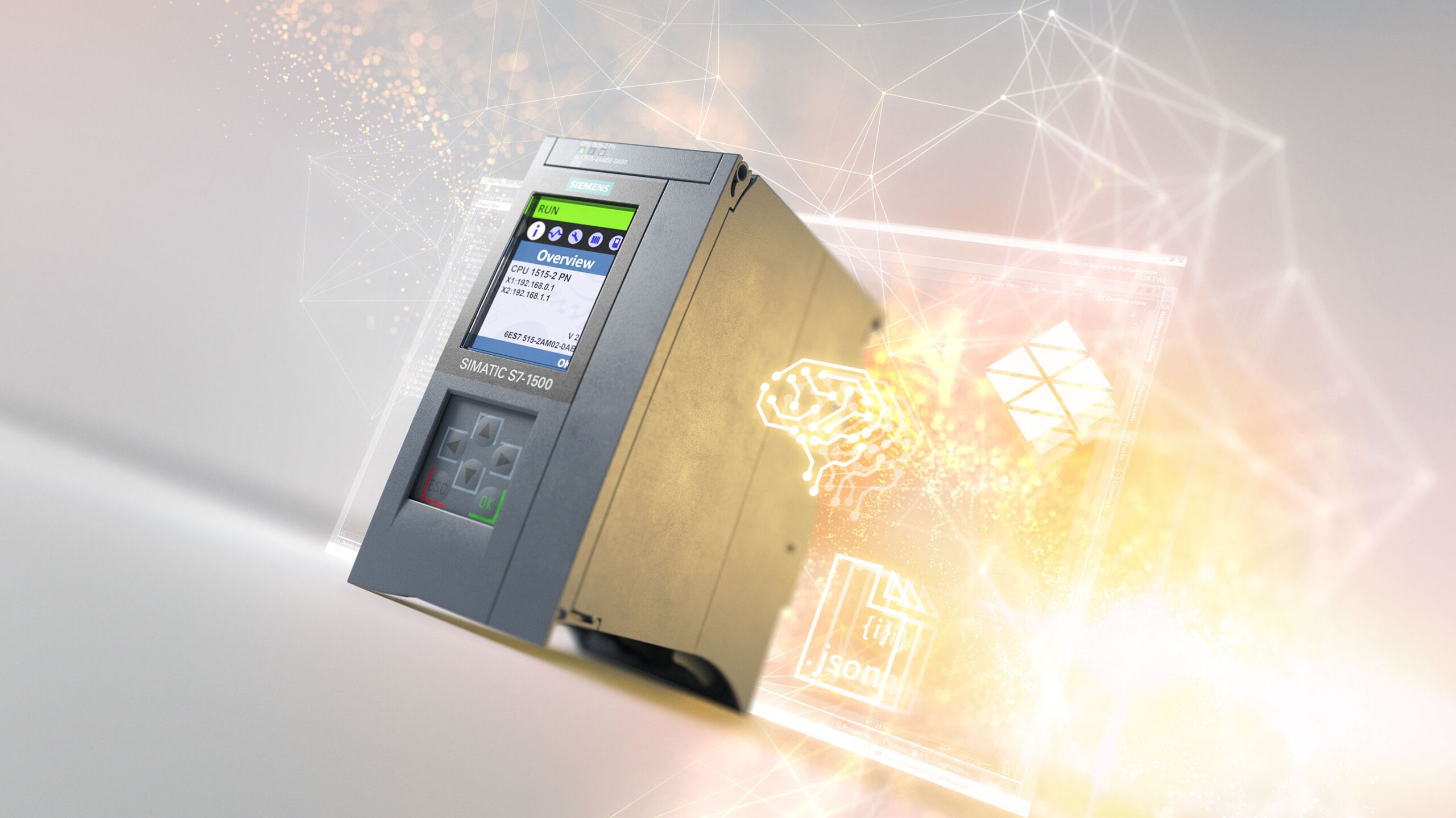
The Siemens S7-1500 is a powerful PLC, but inefficient code and communication can slow it down. By using optimized data blocks, structuring logic cleanly, balancing cyclic vs. event-driven tasks, and streamlining network traffic, you can cut scan times and boost throughput. Smart engineering makes the difference between “working” and “optimized.”
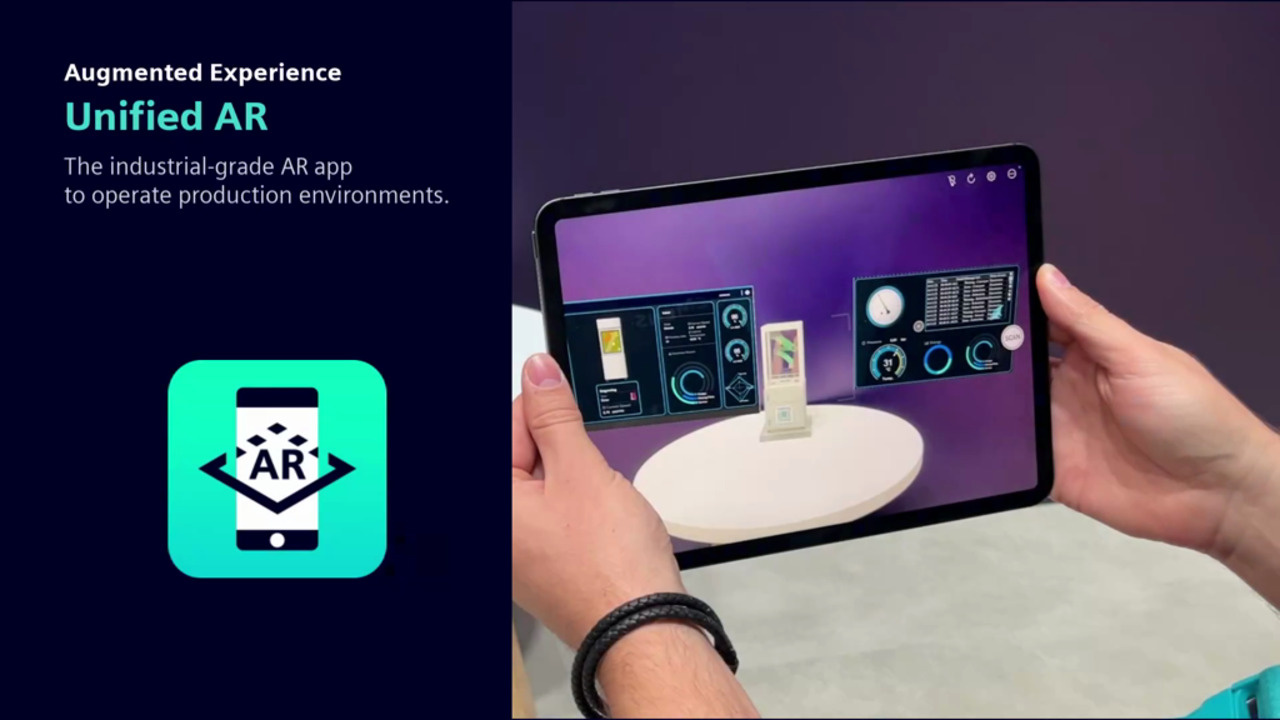
Siemens WinCC Unified AR transforms the way factories handle automation by combining augmented reality (AR) with the powerful WinCC Unified platform. With AR‑enabled devices, operators and maintenance teams can view real‑time SCADA data, alarms, and step‑by‑step instructions directly on equipment. This not only speeds up troubleshooting and reduces downtime but also improves safety, training, and overall efficiency. Discover how WinCC Unified AR is shaping the future of industrial automation.
Both WinCC Classic and WinCC Unified offer powerful solutions for industrial automation — but their strengths differ. Classic remains reliable for legacy systems, while Unified introduces web-based access, cloud integration, and a future-proof roadmap. The right choice depends on your project’s lifecycle and long-term goals.
18th
18th
Aug, 2025
Asset Templates let you bundle PLC logic, HMI screens, alarms, and I/O into reusable engineering objects. The result? Standardized design, faster project delivery, and easier maintenance. Invest time upfront in building templates — it will pay off across every future project.
18th
18th
Aug, 2025
As engineering shifts to the cloud, PLC project files — containing logic, safety settings, and network maps — are more exposed than ever. Secure platforms, encryption, role-based access, and constant monitoring are key to protecting both uptime and safety. Cybersecurity isn’t optional anymore; it’s a core part of industrial automation.
18th
18th
Aug, 2025
GSDML files act as the “drivers” for PROFINET devices, allowing Siemens PLCs to recognize and communicate with third-party hardware. By importing the correct GSDML file into TIA Portal, you can configure devices, map I/O, and ensure seamless integration across your automation network.
18th
18th
Aug, 2025
The Siemens S7-1500 is a powerful PLC, but inefficient code and communication can slow it down. By using optimized data blocks, structuring logic cleanly, balancing cyclic vs. event-driven tasks, and streamlining network traffic, you can cut scan times and boost throughput. Smart engineering makes the difference between “working” and “optimized.”